Have you ever wondered whether a “natural” or legal alternative to opioids is actually safer? As more people search for ways to manage pain or avoid prescription opioids, many turn to products marketed as safer substitutes. Unfortunately, that assumption can be misleading. Understanding the risks behind these substances can help people make informed decisions and recognize when opiate addiction treatment may be the safest path forward.
Many of these products are widely available online, in smoke shops, or even convenience stores. Some are promoted as herbal supplements or legal alternatives, while others claim to ease withdrawal symptoms or improve mood. This article explores why these substances have gained popularity, the risks they carry, and when professional support through opioid rehab, outpatient rehab, or intensive outpatient rehab may be appropriate.
Why People Look for “Safer” Opioid Alternatives
People rarely begin using opioid alternatives without a reason. Some are living with chronic pain and hope to avoid prescription opioids. Others may be trying to manage opioid withdrawal on their own or are searching for something they believe carries a lower risk of addiction.
Marketing also plays a significant role. Products labeled as “natural,” “herbal,” or “legal” often appear less intimidating than prescription medications or illicit drugs. However, those descriptions do not guarantee safety, effectiveness, or quality.
Many of these substances have not undergone the same level of testing or oversight as approved medications. Potency can vary from one product to another, and ingredients listed on the label may not always reflect what is actually inside.
Kratom: Natural Doesn’t Always Mean Safe
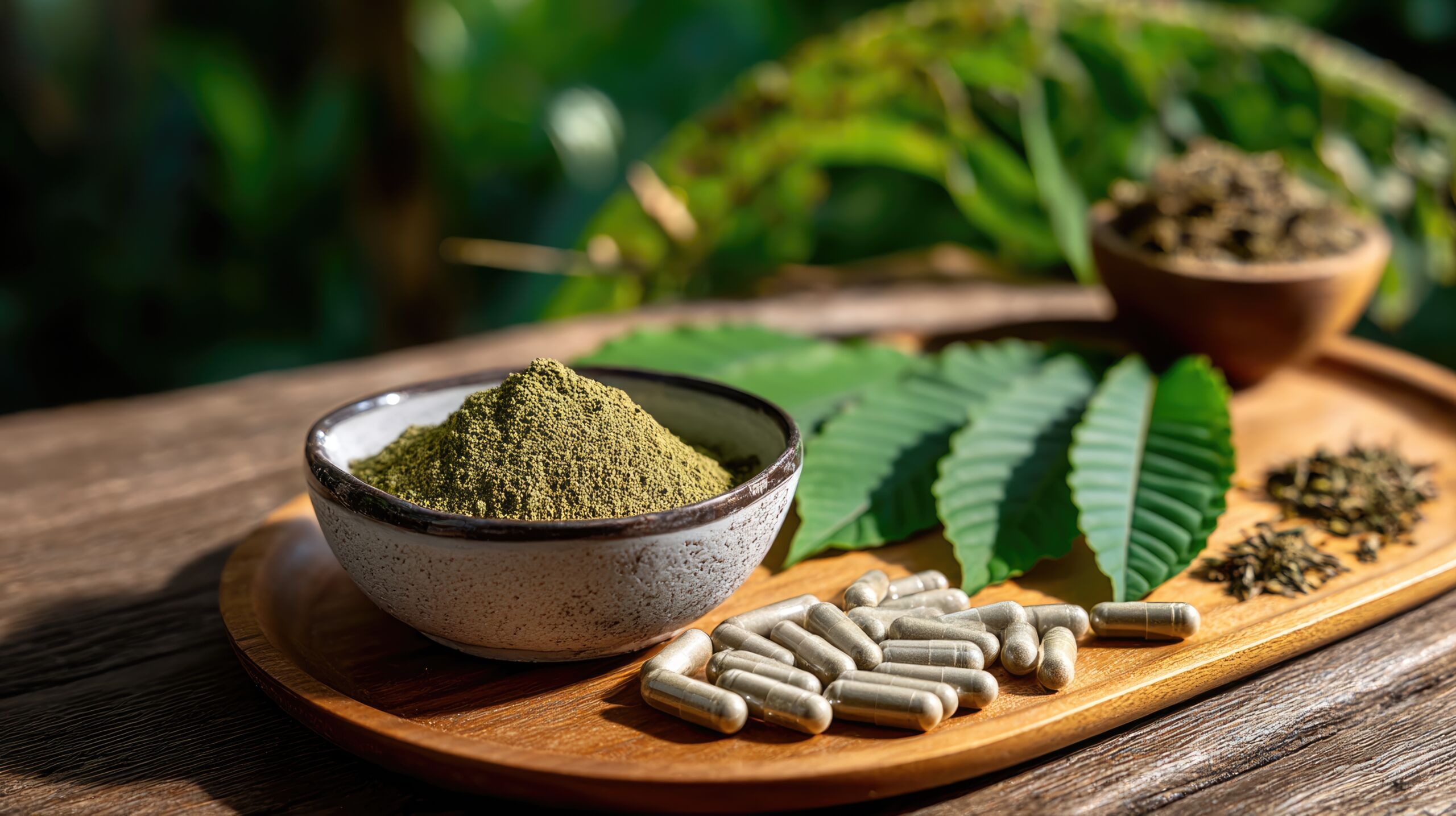
Kratom has become one of the most talked-about opioid alternatives in recent years. Derived from the leaves of a tropical tree native to Southeast Asia, it is commonly marketed as a natural supplement for pain relief, energy, or opioid withdrawal.
While some users report temporary relief, kratom can still produce opioid-like effects by interacting with receptors in the brain. Regular use may lead to tolerance, dependence, and withdrawal symptoms that include muscle aches, anxiety, irritability, insomnia, and nausea.
Recent headlines have also focused on highly concentrated kratom-derived products that may be significantly stronger than traditional kratom powders or capsules. Because these products are not consistently regulated, users may consume much higher doses than intended without realizing it.
Tianeptine: Why It’s Called “Gas Station Heroin”
Tianeptine has gained national attention as one of the most concerning emerging substances. Often nicknamed “gas station heroin,” it has been sold in some smoke shops, convenience stores, and online under various brand names, sometimes disguised as dietary supplements or mood enhancers.
Although tianeptine is approved as an antidepressant in some countries, it is not approved for medical use in the United States. At high doses, it can produce opioid-like effects that increase the risk of dependence, overdose, and severe withdrawal.
People who begin using tianeptine for anxiety, mood improvement, or pain relief may not realize how quickly tolerance can develop. As use escalates, stopping without professional support can become extremely difficult, making opiate addiction treatment an important option for recovery.
Delta-8 THC and Other Hemp-Derived Cannabinoids
Delta-8 THC is often promoted as a legal alternative to marijuana, but legality should never be confused with safety.
Because manufacturing standards vary, some products contain inaccurate potency labels or contaminants that consumers are unaware of. Effects can also differ significantly between products, making it difficult to predict how someone will respond.
While not everyone who uses Delta-8 develops a substance use disorder, frequent use can contribute to dependence for some individuals. It may also impair judgment, coordination, and reaction time, increasing the risk of accidents and poor decision-making.
Nitrous Oxide: A Legal Product With Serious Risks
Nitrous oxide has legitimate medical and culinary uses, but recreational misuse has become increasingly common.
Often referred to as “whippets,” nitrous oxide can create a brief feeling of euphoria. However, repeated misuse can interfere with the body’s ability to absorb vitamin B12, potentially causing nerve damage, numbness, difficulty walking, and other serious neurological complications.
Because the effects are short-lived, some people repeatedly inhale nitrous oxide during a single session, increasing the likelihood of harmful health consequences.
Research Chemicals and Designer Drugs
Another growing concern involves so-called research chemicals or designer drugs. These substances are frequently marketed as legal alternatives to controlled drugs, but their chemical makeup changes regularly to avoid regulation.
One of the greatest dangers is uncertainty. Users often have no reliable way of knowing what they are taking, how potent it is, or how it may interact with other substances. Even products sold under the same name can contain completely different ingredients from one batch to the next.
When to Seek Help
These products can delay someone from seeking evidence-based care. Instead of addressing an underlying substance use disorder, people may unknowingly replace one dependency with another. It can be difficult to recognize when experimentation has become dependence. If someone finds themselves needing larger amounts to achieve the same effect, struggling to stop despite negative consequences, or experiencing withdrawal symptoms when they try to quit, it may be time to seek professional help.
At North Jersey Recovery Center, individuals receive personalized care designed around their unique recovery goals. Through outpatient rehab and intensive outpatient rehab, patients can receive evidence-based support while continuing to maintain many of their daily responsibilities.
As one of the trusted addiction treatment centers serving Bergen County, Essex County, Hudson County, and Passaic County, our team understands that every recovery journey is different. Quality addiction treatment programs in New Jersey focus on addressing both the physical and emotional aspects of substance use rather than simply treating symptoms.
Frequently Asked Questions
Can these substances affect mental health?
Yes. Some opioid alternatives may contribute to anxiety, depression, mood swings, or irritability, particularly with frequent use or during withdrawal. Individual experiences vary depending on the substance and the person using it.
Are these products more dangerous when mixed with alcohol or other drugs?
Yes. Combining opioid alternatives with alcohol, prescription medications, or other substances may increase the risk of dangerous side effects, including respiratory depression, impaired judgment, and overdose.
Are opioid alternatives detected on standard drug tests?
Not always. Some substances, including kratom and certain designer drugs, are not typically included in standard drug screening panels. Specialized testing may be required depending on the substance.
There Are Safer Ways to Move Forward
You don’t have to navigate opioid dependence or questionable alternatives on your own. Professional treatment offers proven strategies that address both the physical and emotional aspects of addiction, rather than relying on products with uncertain risks or inconsistent quality.
Whether you’re concerned about your own substance use or someone else’s, North Jersey Recovery Center offers compassionate, individualized care through outpatient rehab programs designed to support long-term recovery. Get in touch with our team today.
Struggling with this? You can talk to someone today.
North Jersey Recovery Center is a Joint Commission–accredited outpatient treatment center in Fair Lawn, NJ, treating substance use and co-occurring mental health conditions. Calls are confidential, and a real person answers. Most major insurance accepted — we verify your benefits before your first visit.
Our Programs · Medication-Assisted Treatment · Insurance & Coverage